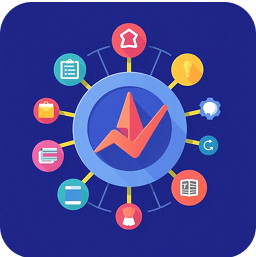


Modern design teams rarely rely on a single platform to complete their work. Instead, they use a combination of design software, collaboration tools, project management systems, prototyping applications, cloud storage solutions, and communication platforms. While each tool serves a valuable purpose, the real challenge lies in connecting them into a cohesive workflow. This is where Design Ecosystem Integration becomes essential for long-term success.
As organizations grow, their technology stacks often become more complex. New applications are added to solve specific problems, improve productivity, or support evolving business needs. However, without proper integration, these tools can create information silos, duplicate work, and communication gaps. Consequently, teams may spend more time managing software than creating meaningful design solutions.
A well-connected design ecosystem enables information to move smoothly between platforms. It reduces friction, improves collaboration, and helps teams focus on creative work rather than administrative tasks. Therefore, understanding Design Ecosystem Integration is increasingly important for organizations that want to improve efficiency while maintaining high-quality design standards.
Why Design Ecosystems Matter More Than Individual Tools
Many companies evaluate software based on individual features. While functionality certainly matters, long-term success often depends on how well tools work together rather than how powerful they are independently.
Designers today collaborate with developers, marketers, product managers, researchers, and stakeholders across multiple departments. As a result, information constantly moves between systems. Design files, feedback, project timelines, user research data, and development specifications all require seamless coordination.
Without effective Design Ecosystem Integration, teams frequently encounter bottlenecks. Important information may become trapped inside isolated platforms. Team members may need to manually transfer data, duplicate files, or repeat tasks unnecessarily.
In contrast, integrated environments streamline workflows and improve visibility. Everyone gains access to relevant information without needing to search across multiple systems. Consequently, collaboration becomes more efficient and decision-making improves.
Furthermore, integrated ecosystems reduce errors. When information automatically updates across connected platforms, teams spend less time correcting inconsistencies. This accuracy supports stronger project outcomes and better customer experiences.
Organizations that focus solely on selecting the best individual tools often overlook these broader benefits. In reality, the relationships between tools frequently matter just as much as the tools themselves.
The Core Components of a Modern Design Ecosystem
Understanding Design Ecosystem Integration begins with recognizing the key components that typically make up a modern creative environment.
Design software forms the foundation of most ecosystems. These platforms support interface design, illustration, branding, icon creation, and other creative activities. However, design applications rarely operate independently.
Collaboration tools play an equally important role. Teams rely on communication platforms to discuss projects, share feedback, and coordinate activities. Effective collaboration ensures that ideas move efficiently from concept to execution.
Project management systems provide organizational structure. These platforms help teams track tasks, monitor deadlines, and manage resources. When integrated properly, project information remains synchronized with design activities.
Cloud storage solutions support accessibility and version control. Team members can access files from different locations while maintaining consistency across projects. Additionally, centralized storage reduces confusion regarding document ownership and updates.
Development tools represent another critical component. Modern product teams often require close collaboration between designers and developers. Therefore, integrated workflows help ensure design decisions translate accurately into finished products.
Research and analytics platforms complete the ecosystem by providing insights that guide design decisions. User behavior data, testing results, and customer feedback contribute valuable information that supports continuous improvement.
Each component serves a unique purpose. However, their true value emerges when they function together as part of a connected system.
Common Challenges in Tool Integration
Although the benefits are clear, achieving effective Design Ecosystem Integration can be challenging. Many organizations face obstacles that limit collaboration and reduce efficiency.
One common issue involves incompatible software. Some applications offer limited integration capabilities, making data sharing difficult. Consequently, teams may resort to manual processes that consume valuable time.
Another challenge stems from rapid technology adoption. Companies frequently add new tools without evaluating how they fit into existing workflows. Over time, this approach creates fragmented ecosystems that become increasingly difficult to manage.
Communication barriers also contribute to integration problems. Different departments often use separate systems and terminology. As a result, information may not flow smoothly between teams.
Data duplication presents another concern. When information exists in multiple locations, inconsistencies can emerge. These discrepancies create confusion and increase the likelihood of mistakes.
Training requirements can further complicate implementation efforts. Employees must understand how integrated systems function and how their actions affect broader workflows. Without proper education, adoption rates may remain low.
Additionally, security and compliance considerations require careful attention. Organizations must ensure that connected platforms protect sensitive information while supporting efficient collaboration.
Addressing these challenges requires strategic planning, clear communication, and ongoing evaluation.
Creating Seamless Workflows Across Teams
One of the primary goals of Design Ecosystem Integration is creating workflows that feel natural and efficient. When systems work together effectively, employees can focus on outcomes rather than navigating technical obstacles.
Workflow mapping provides an excellent starting point. Organizations should identify how information moves through projects from initial concept to final delivery. Understanding these pathways helps reveal opportunities for improvement.
For example, a design project may begin with user research, progress through concept development, move into prototyping, and conclude with development implementation. Each stage involves different tools and stakeholders. Integration ensures smooth transitions between these phases.
Automation can further enhance efficiency. Routine tasks such as file updates, status notifications, and approval requests can often be automated through connected systems. As a result, teams spend less time on repetitive activities and more time on meaningful work.
Standardization also supports better integration. Consistent naming conventions, documentation practices, and workflow structures reduce confusion across teams. Furthermore, standardized processes make onboarding new employees easier.
Cross-functional collaboration becomes stronger when workflows remain transparent. Team members gain visibility into project progress and understand how their contributions support broader objectives.
Ultimately, seamless workflows create an environment where creativity and productivity can thrive together.
The Role of Collaboration in Integrated Ecosystems
Technology alone cannot guarantee successful Design Ecosystem Integration. Human collaboration remains a critical factor in achieving meaningful results.
Integrated tools should support communication rather than replace it. Teams still need opportunities to discuss ideas, resolve challenges, and align priorities. Therefore, organizations should view technology as an enabler rather than a complete solution.
Clear communication channels help prevent misunderstandings. When feedback, updates, and project information remain accessible within connected systems, collaboration becomes more efficient.
Shared visibility also strengthens accountability. Team members understand project status, responsibilities, and upcoming priorities. This transparency reduces uncertainty and supports better decision-making.
Additionally, integrated ecosystems encourage knowledge sharing. Designers, developers, marketers, and product managers can access relevant information without relying on lengthy email chains or disconnected documents.
Trust plays an important role as well. Teams are more likely to embrace integrated workflows when they understand the benefits and feel confident using the available tools. Consequently, leadership should encourage collaboration and provide ongoing support during implementation efforts.
Successful ecosystems combine technology with strong team dynamics. Together, these elements create environments that support innovation and continuous improvement.
Measuring the Success of Integration Efforts
Organizations should evaluate the effectiveness of Design Ecosystem Integration using measurable indicators. Without clear metrics, it becomes difficult to determine whether improvements are delivering meaningful results.
Productivity often serves as a useful starting point. Teams may complete projects faster when information flows efficiently between systems. Reduced administrative work can also indicate successful integration.
Collaboration metrics provide additional insights. Faster feedback cycles, improved stakeholder participation, and stronger cross-functional communication often reflect healthier workflows.
Error reduction represents another important measure. Integrated systems frequently decrease inconsistencies and manual data entry mistakes. Consequently, teams spend less time correcting issues and more time creating value.
Employee satisfaction can reveal valuable information as well. When workflows become simpler and more efficient, team members often report higher levels of engagement and productivity.
Customer outcomes should not be overlooked. Improved internal processes often lead to better products, faster delivery times, and enhanced user experiences. Therefore, customer-focused metrics can help evaluate the broader impact of integration efforts.
Regular reviews ensure that ecosystems continue supporting evolving business needs. Technology changes rapidly, and ongoing optimization helps maintain long-term effectiveness.
Preparing for the Future of Connected Design Environments
The future of design will likely involve even greater connectivity. Artificial intelligence, automation, cloud computing, and collaborative technologies continue to reshape how teams operate. As these innovations expand, Design Ecosystem Integration will become even more valuable.
Organizations that establish strong foundations today will be better prepared for future advancements. Flexible systems allow teams to adopt new technologies without disrupting existing workflows. This adaptability creates a significant competitive advantage.
Furthermore, future ecosystems will likely emphasize real-time collaboration and intelligent automation. Connected platforms may automatically provide recommendations, identify workflow bottlenecks, and support data-driven decision-making.
As remote and hybrid work environments remain common, integration will continue to play a central role in maintaining productivity. Teams need reliable access to information regardless of location. Therefore, connected ecosystems will remain critical for supporting distributed collaboration.
Businesses that embrace integration as an ongoing strategy rather than a one-time project will be better positioned to respond to changing market conditions and technological developments.
Conclusion
Modern creative work depends on more than individual software platforms. Success increasingly relies on how effectively those tools connect, communicate, and support broader organizational goals. This reality makes Design Ecosystem Integration an essential priority for businesses seeking greater efficiency and stronger collaboration.
By connecting design software, communication platforms, project management systems, development tools, and research resources, organizations can create seamless workflows that reduce friction and improve productivity. Furthermore, integrated environments support better decision-making, stronger teamwork, and more consistent project outcomes.
As technology continues to evolve, Design Ecosystem Integration will remain a key driver of operational success. Organizations that invest in connected workflows today will be better prepared to navigate future challenges while maintaining creativity, innovation, and growth. Ultimately, a well-integrated ecosystem empowers teams to focus less on managing tools and more on delivering exceptional design experiences.
FAQ
1. What is a design ecosystem in a modern organization?
A design ecosystem consists of the tools, processes, workflows, and people that contribute to creating and delivering design projects.
2. Why is connecting design tools important?
Connected tools reduce manual work, improve collaboration, and help teams access information more efficiently.
3. How can organizations improve workflow integration?
They can map existing processes, standardize workflows, automate repetitive tasks, and select compatible platforms.
4. What challenges commonly affect connected work environments?
Common challenges include software incompatibility, data silos, communication barriers, and insufficient training.
5. How do integrated systems improve team performance?
Integrated systems increase visibility, reduce errors, strengthen collaboration, and allow employees to focus on high-value work.